Many maps, one landscape
Tourist maps, airline route diagrams and printed overviews often show the same Nazca desert in very different ways. Scale, orientation and emphasis can change dramatically from one version to another.
This redesigned feature explores how the Nazca Lines, Ingenio and Palpa are shown on tourist maps, flight diagrams, aerial views and regional overview plans. Instead of presenting the archive material as a loose sequence of images, the page now reads as a clear visual guide to orientation, scale, route design and map interpretation in one of Peru’s most mysterious landscapes.
The material is now organized into clean editorial sections: first orientation, map comparison, regional extensions, flight routes, straight-line systems and internal reference links for further exploration.
The strongest visual material remains: aerial views, tourist maps, flight diagrams, regional sketches and internal links to the Nazca section of the site.
The text has been rewritten in a cleaner travel-magazine style, with archive clutter, advertising blocks and unnecessary external distractions removed.
This revised version keeps the original focus — maps of the Nazca region — but turns it into a readable visual essay for travelers, history readers and anyone trying to understand how this desert landscape is represented.
Tourist maps, airline route diagrams and printed overviews often show the same Nazca desert in very different ways. Scale, orientation and emphasis can change dramatically from one version to another.
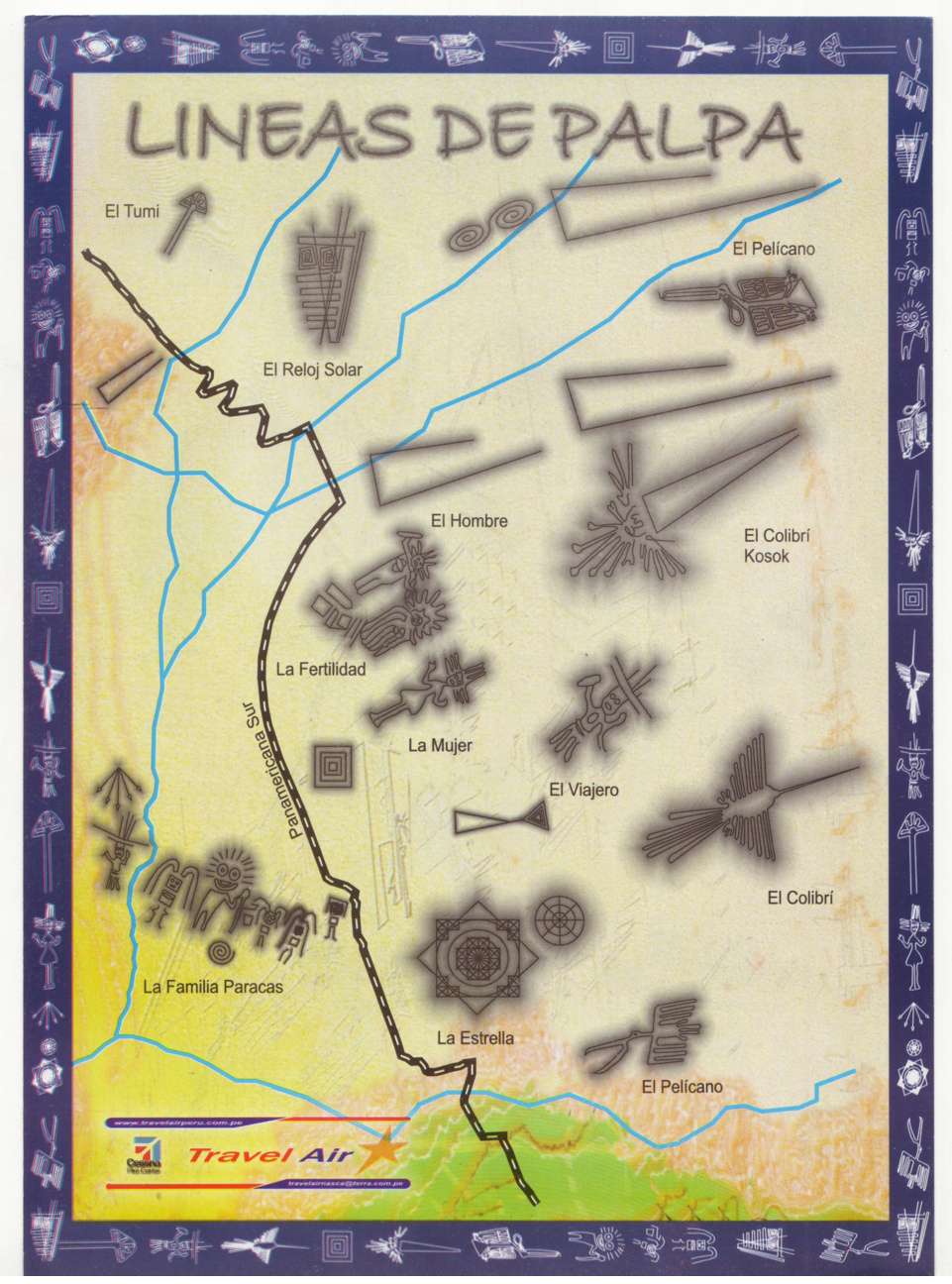
The page looks not only at the famous central Nazca figures, but also at Ingenio, Palpa and nearby geoglyph zones that are often reduced or ignored in simplified visitor maps.
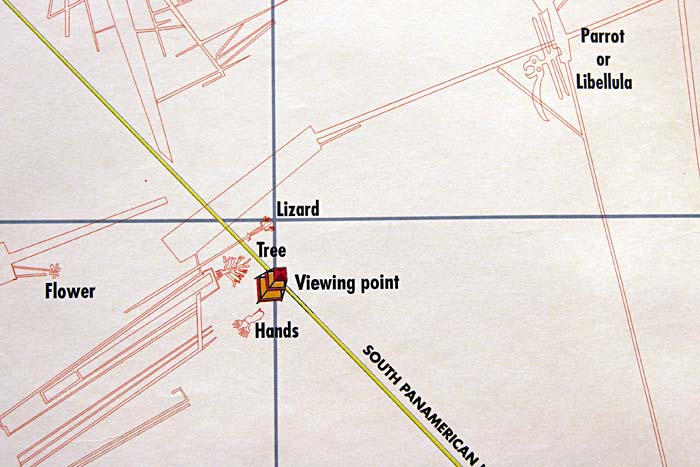
The most useful part of the material is visual: aerial photographs, route sheets, lookout points, road lines and graphic conventions that help readers understand the wider Nazca plain.
Browse more: girls delta, gay video chat, militaryclassified, gloryhole swallow, best porn sites, enjoyx, menatplay, cams for free, asians247, best vr porn sites.
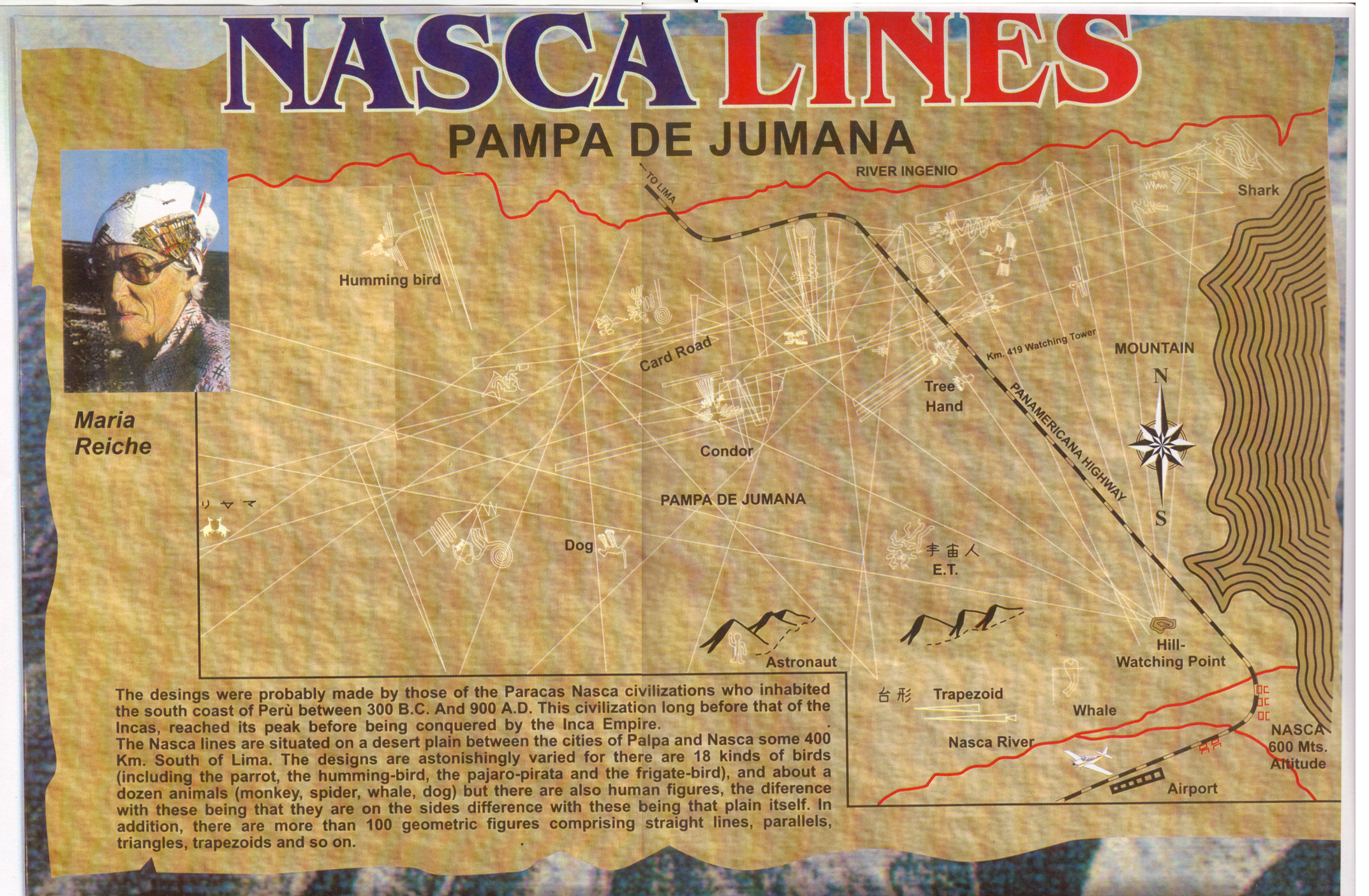
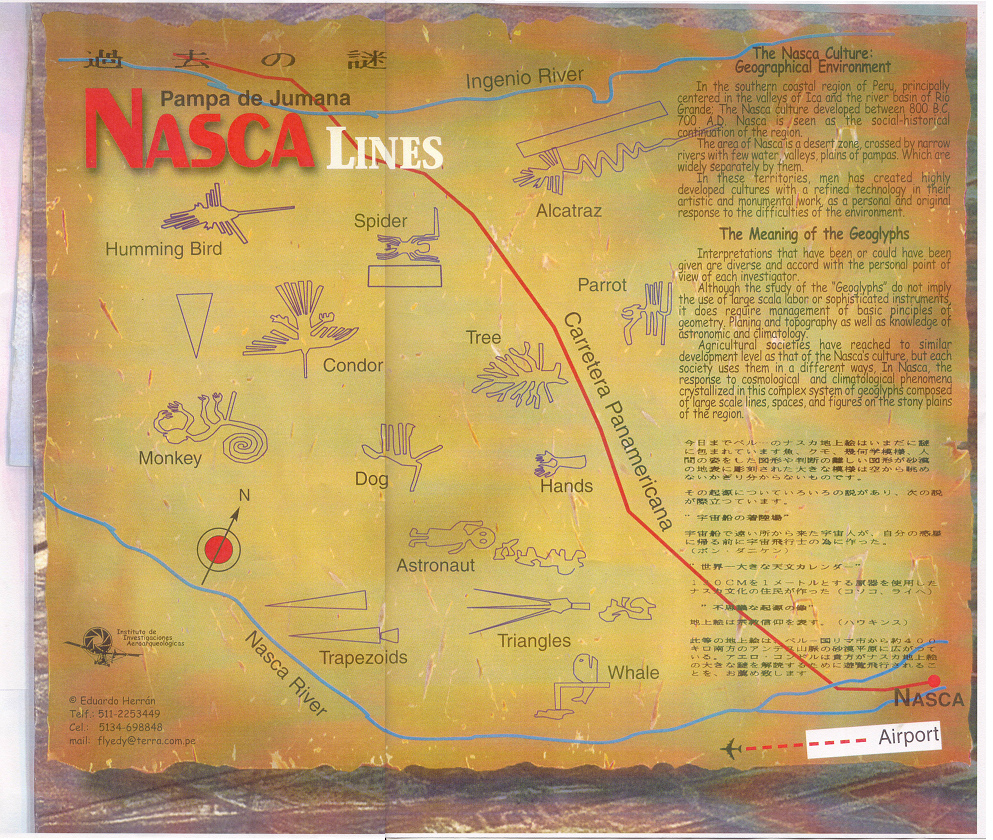
The central question is simple: how do different maps reduce a complex desert of geoglyphs, straight lines, valleys, roads, viewpoints and flight routes into something visitors can read?
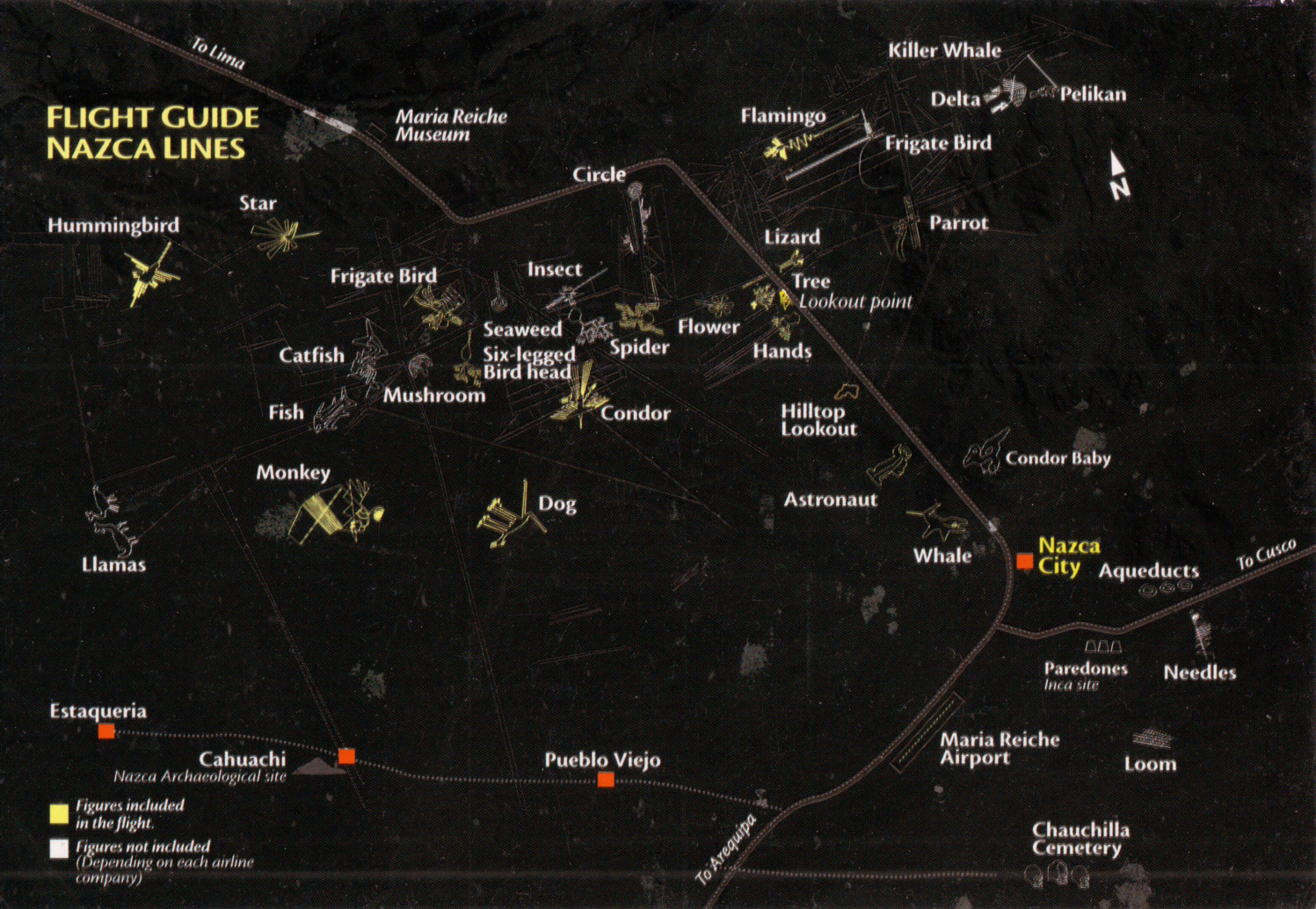
Some maps try to show the whole region. Others are designed mainly for sightseeing flights, postcards or quick orientation. This page treats them as different visual genres rather than forcing them into one category.
That makes the comparison more useful: each map reveals not only information about Nazca, but also the intention of the person or company that produced it.
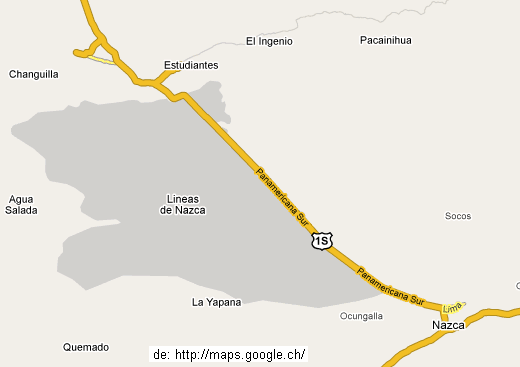
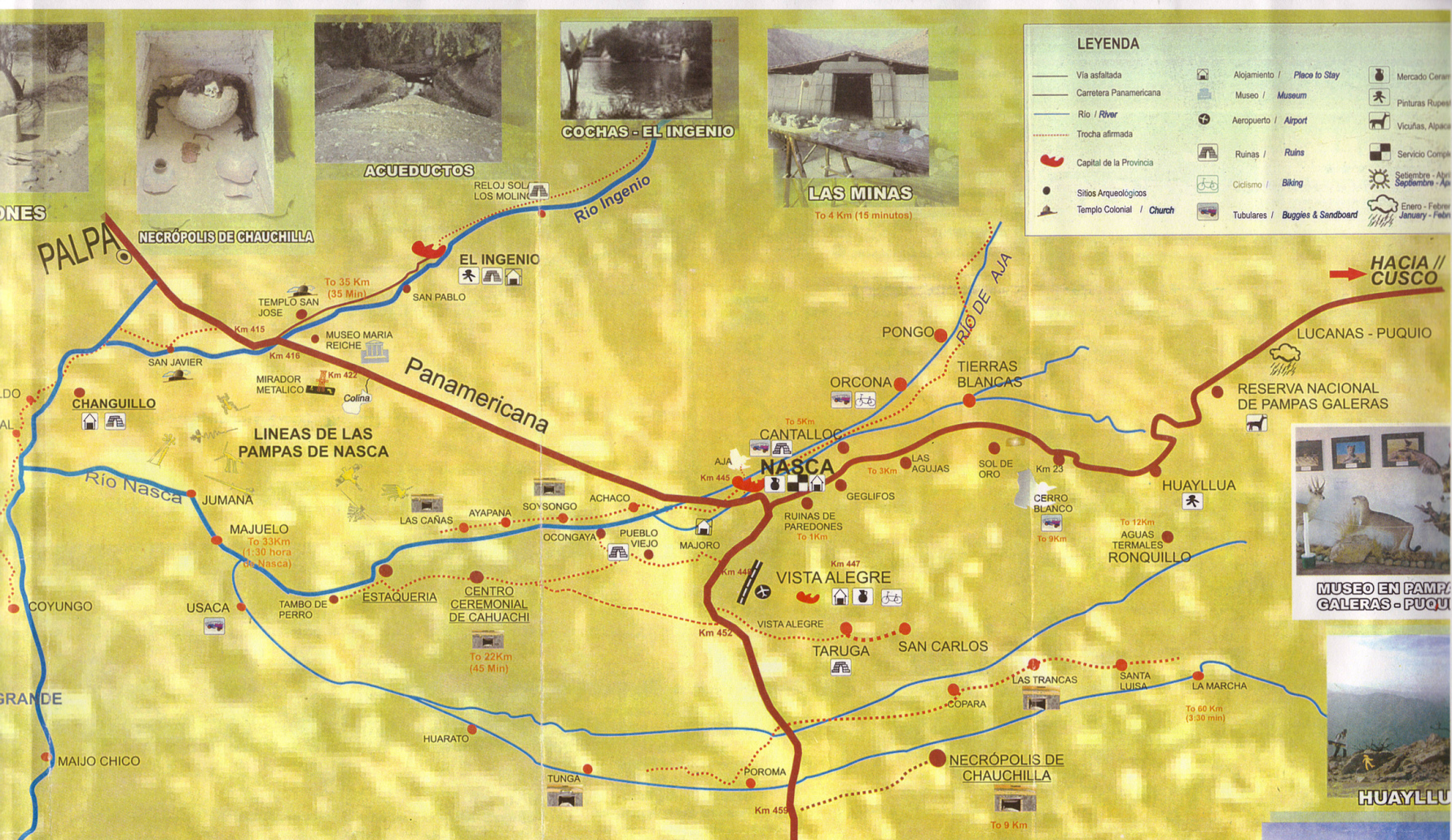
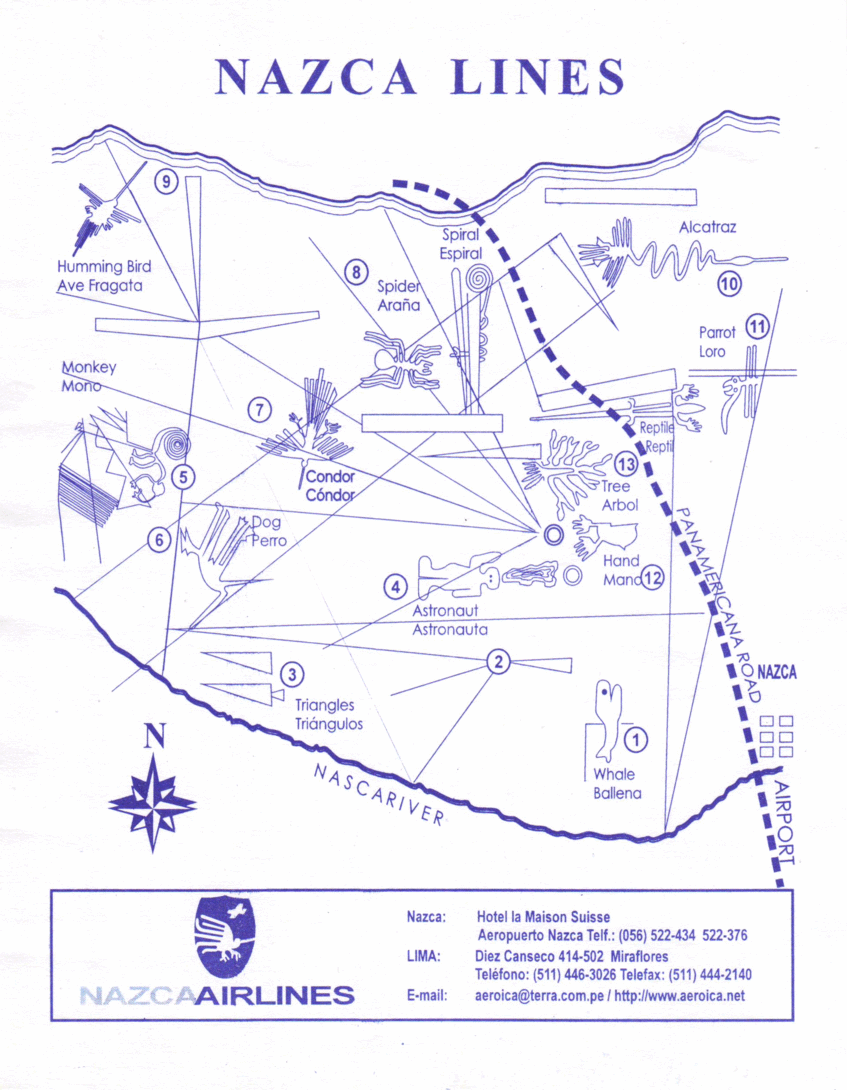
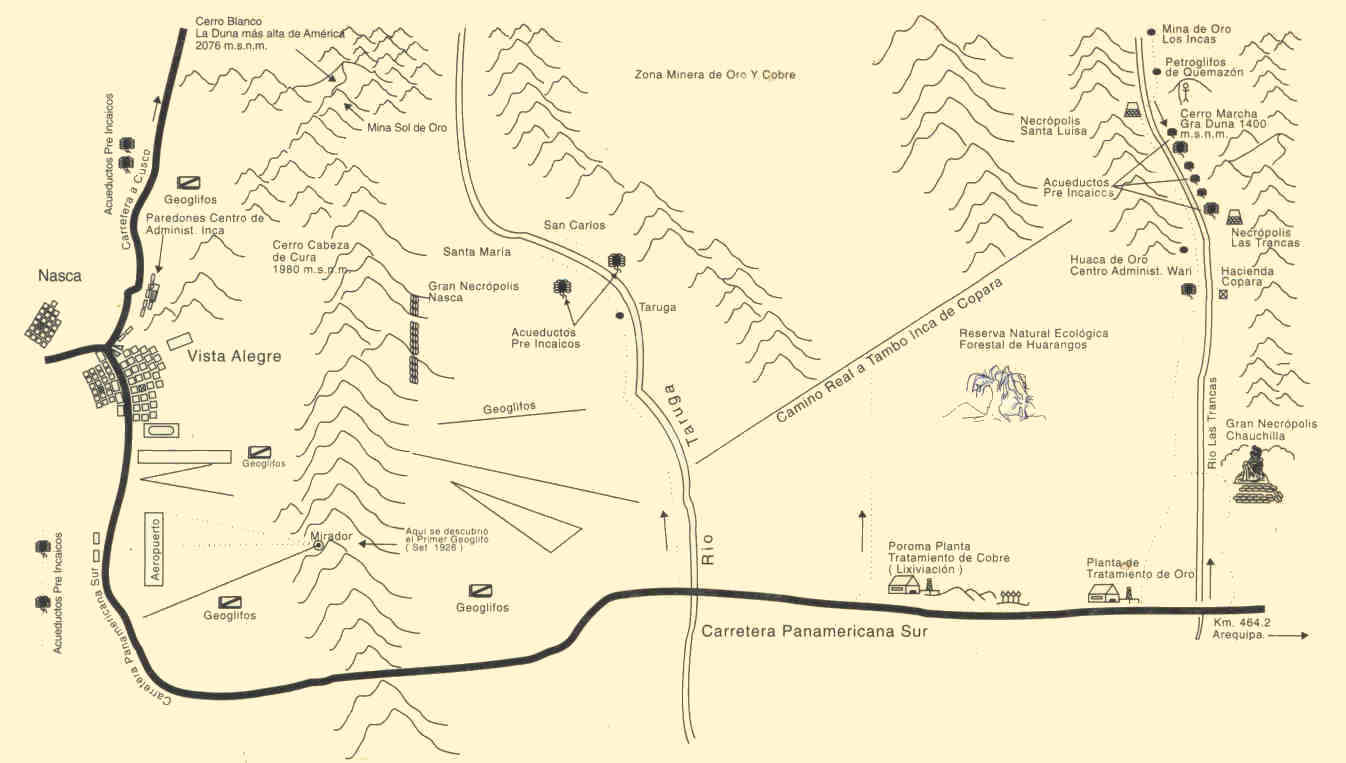
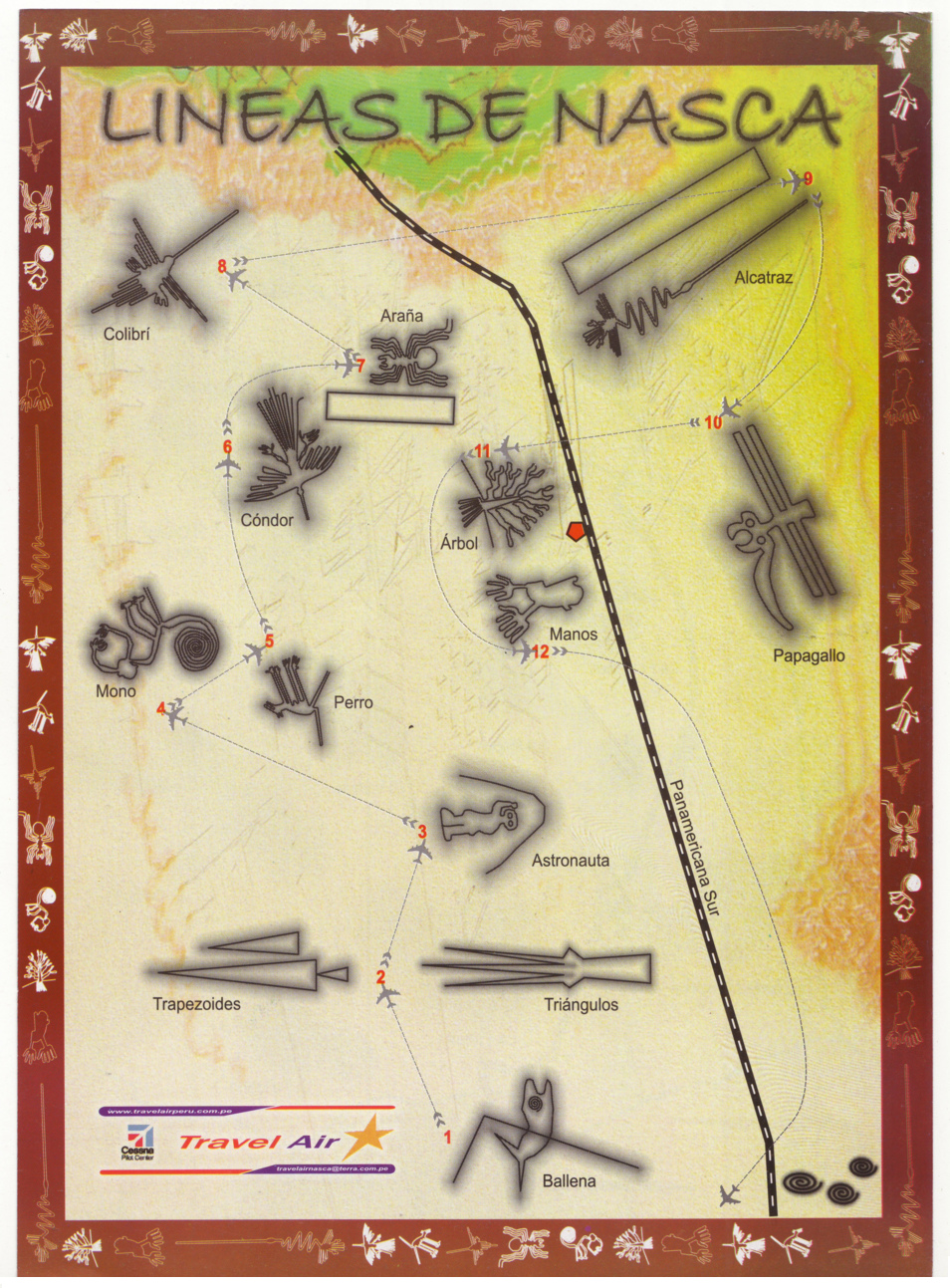
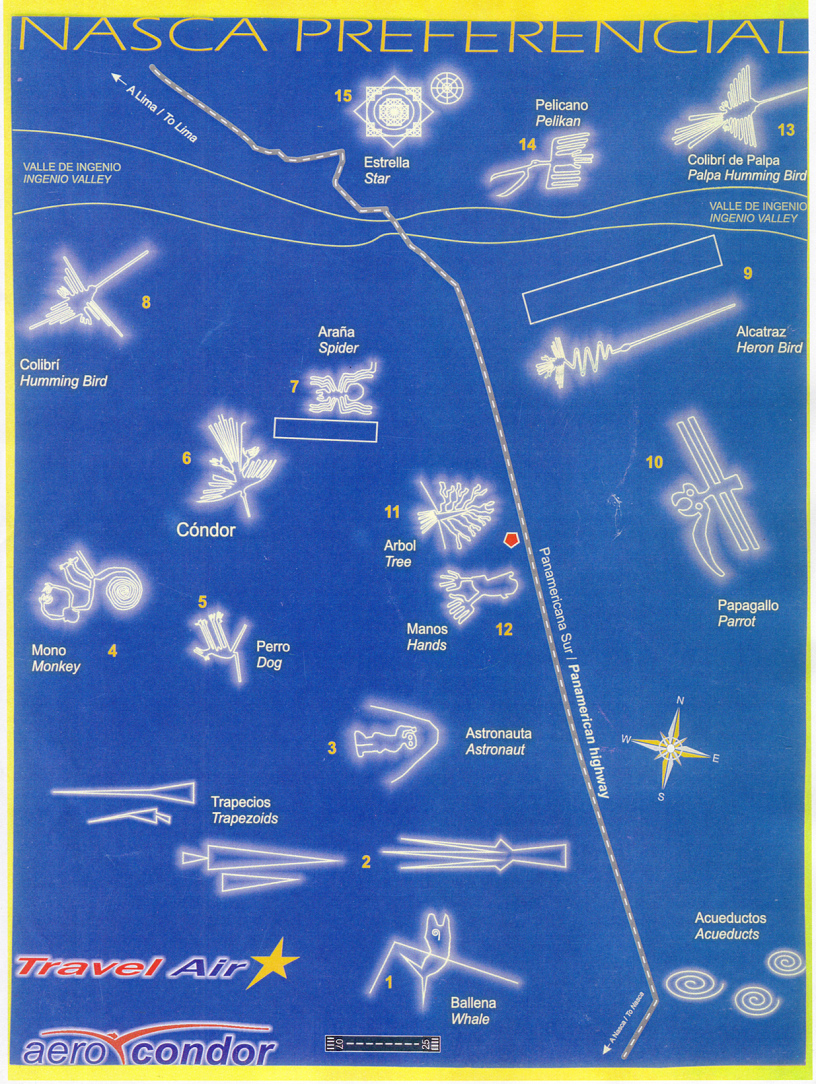
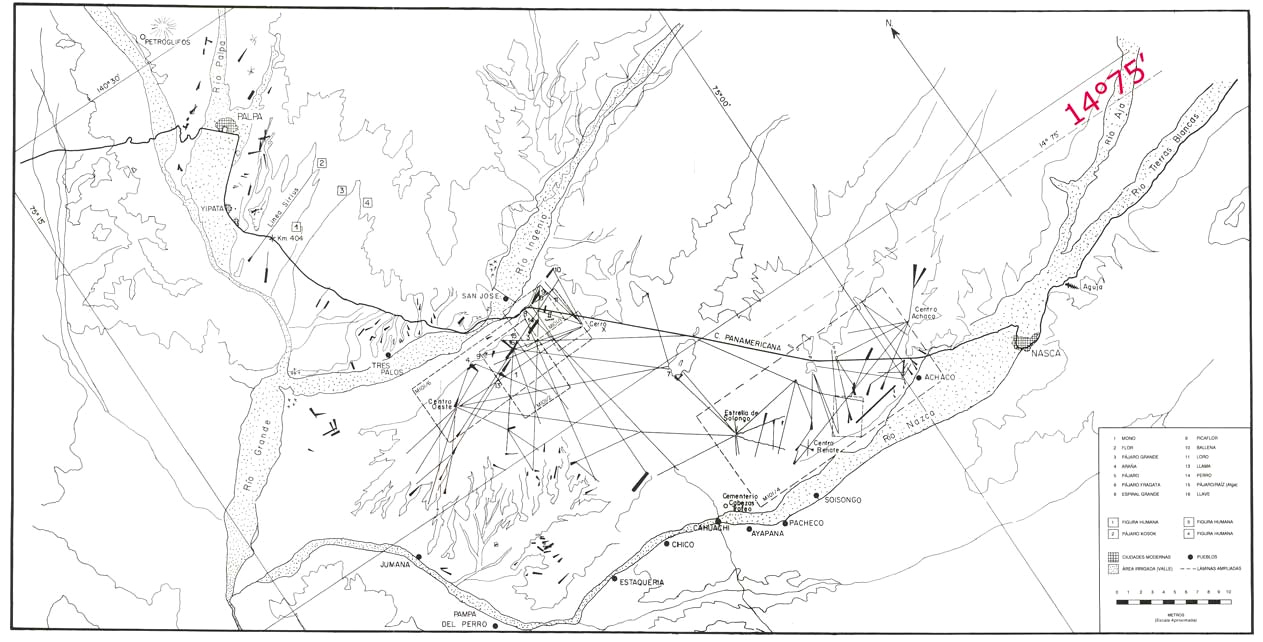
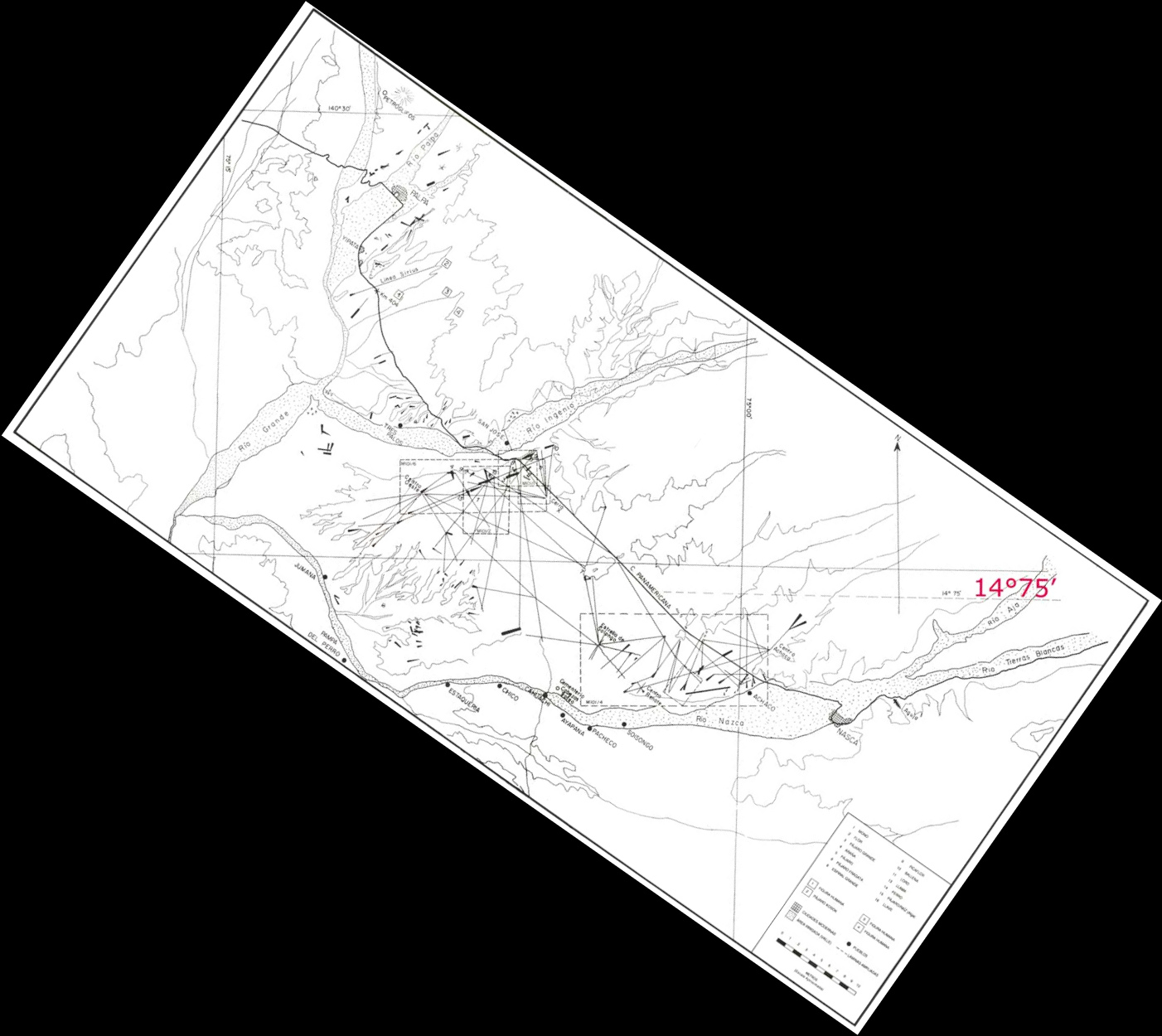
The Panamericana highway is one of the clearest orientation anchors in the region. Comparing how maps draw this road quickly reveals differences in scale, rotation and spatial logic.
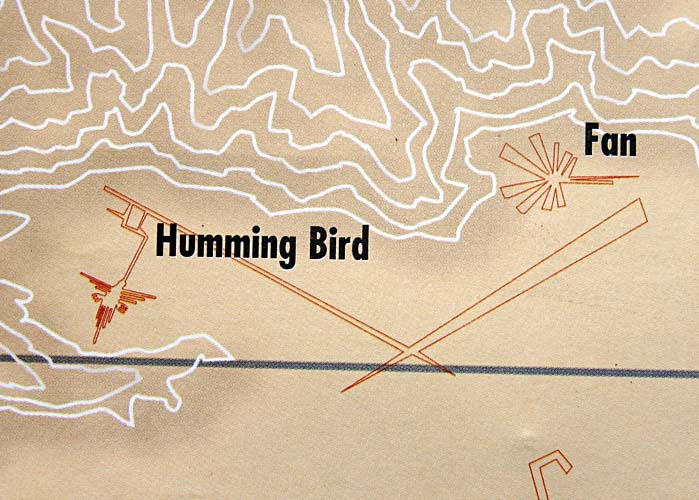
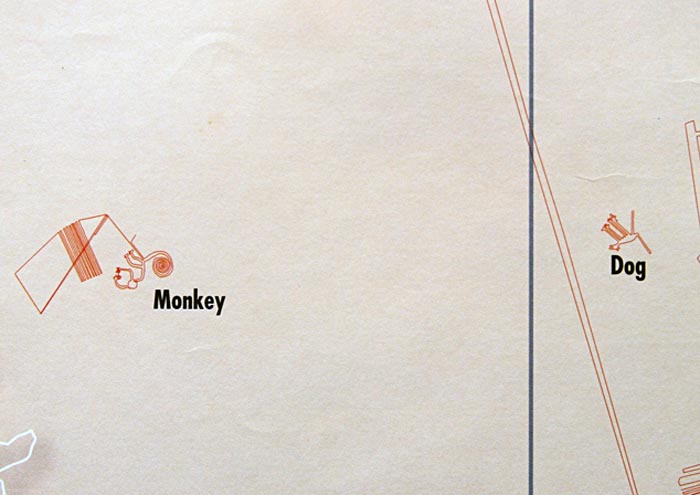
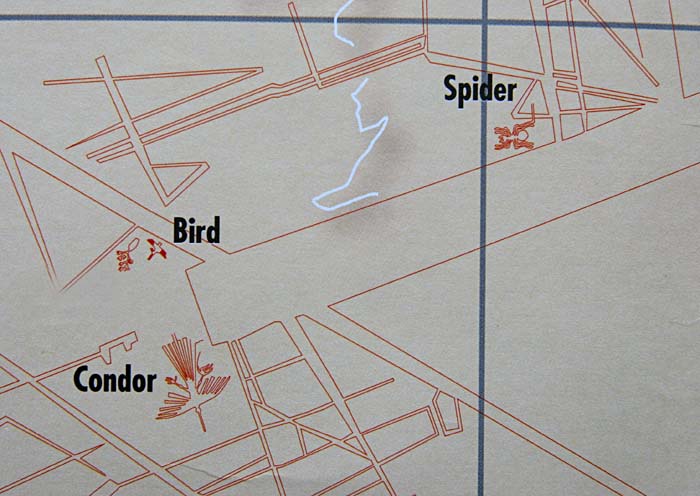
Some maps emphasize famous figures such as the monkey, spider or hummingbird. Others add flight paths, lookout towers, ceremonial areas or straight-line concentrations.
The archive also makes it possible to compare how labels, names and map traditions shift across English, Spanish, German and Italian versions of the same broader topic.
The original material repeatedly shows that the mapped landscape reaches beyond the best-known Nazca core. This section gives that broader regional frame more weight.
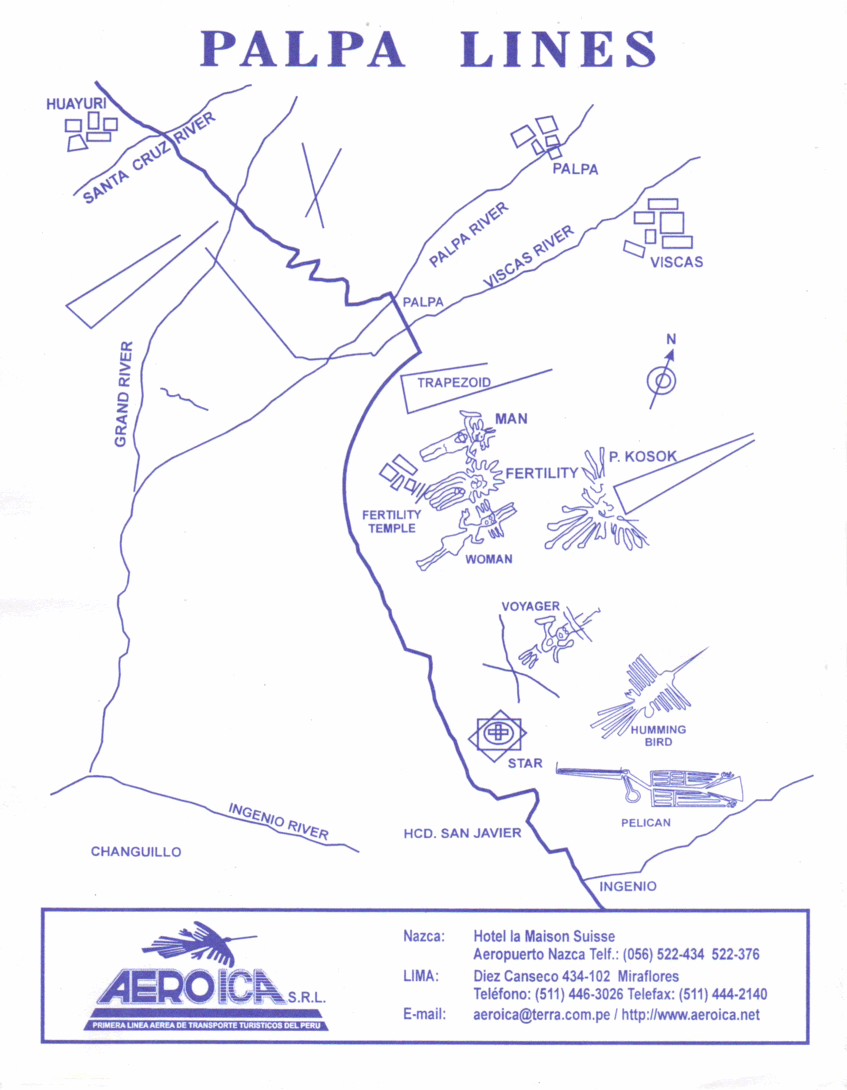
Several maps connect Nazca with nearby line systems and figures toward Ingenio, suggesting a wider visual field than many short tourist summaries allow.
Palpa is not just an appendix to Nazca. Its maps show another cluster of figures, routes and symbolic forms that belong to the same broader desert tradition.
The material also points toward mapped zones near Vista Alegre, Cerro Blanco and the Taruga valley — areas that help place Nazca in a much wider archaeological setting.
Flight maps are useful but selective. They usually show only what visitors are expected to see from the air, not the complete density of the desert’s line systems.
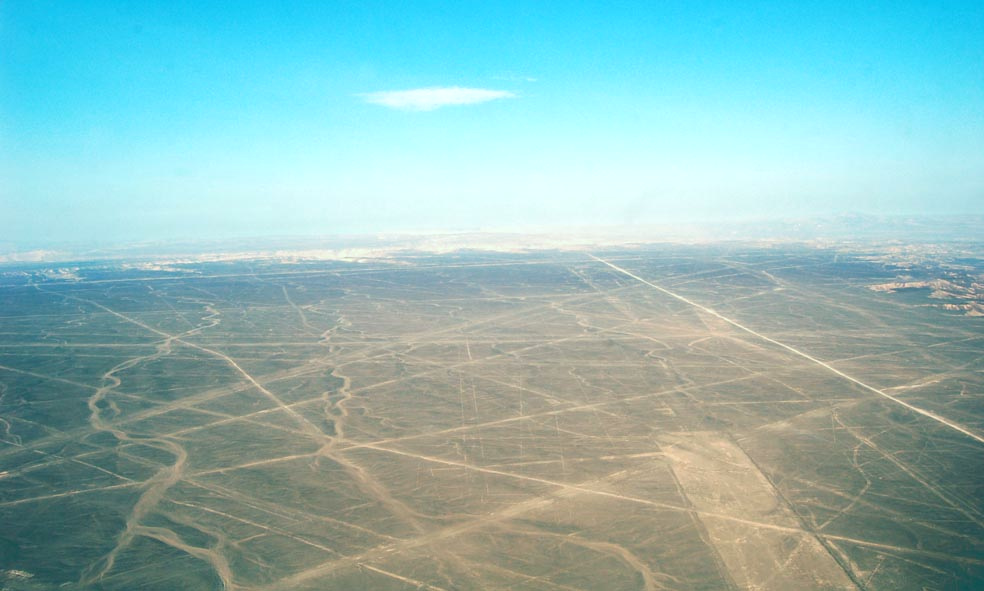
Beyond the famous animal and plant figures, the Nazca plain is also a landscape of long lines, crossings, axes and geometric concentrations. This visual layer is often harder to understand, but it is essential.
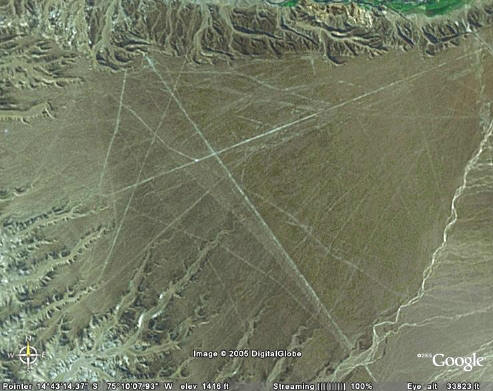
Satellite-based views reveal large intersections and line concentrations that are often absent from simplified tourist diagrams. These images help show Nazca as a system, not just a collection of isolated figures.
Detail comparisons make it easier to see how familiar figures sit within larger networks of lines. The hummingbird, monkey, dog, spider, condor and other forms are never completely isolated from their surroundings.
Browse more: facialabuse, uk cam girls, latinaabuse, camgirls, ghettogaggers, asians247, blackpayback, squirt cams, blackonblackcrime, milf cams, radicaljizzlam, gay webcams, over40handjobs, cam models.
The page now closes as a clean in-site gateway, helping readers continue through Nazca, Palpa, Cahuachi and the multilingual map pages without unnecessary external clutter.
Return to the main Nazca section for more pages on the lines, desert landscape, history and related material.
Open the related internal versions of this map page in other languages.
Continue with nearby material from the Peru section, including Cahuachi and other archaeological topics.